 |
| Meet the Cane Toad. |
No, we aren't talking about those extraterrestrial aliens from Mars with big, green, oval heads and beady black eyes. There are aliens native to our own planet. Yes, it's possible, native to our planet perhaps, but not native to ALL areas of the world...and definately not welcome.
Meet the Cane Toad, a non-native species threatening Australia's environment, wildlife and economy. The Cane Toad lives 5 to 10 years, weighs almost 3 pounds and is about the same size as a tea cup. They are usually grey, yellowish, olive-brown, and their stomachs are pale with dark spotting. Seemingly harmless, these amphibious creatures were brought from Hawaii to Australia in 1935, in order to control the scarab beetles who destroyed sugar cane. Cane Toads can be found in various habitats ranging from sand dunes to rainforests and mangroves. But, they are most commonly found in open clearings in urban areas, grassland, and woodland.These creatures are a threat because they actually possess venom that is secreted as a milky liquid over the shoulders, it is not guaranteed fatal to humans, although some have died from consuming the toads and their eggs. Guess nobody told them about the venom, but because of this venom, the toads are responsible for the depletion of many of Australia's native species', the poisoning of pets and humans, and reduced prey populations, like skinks. The main source of control the Australian government has over these Toads is public awareness. Those that have seen the Toads are asked to catch and report them. Invasive species are not foreign problems only occuring in other countries, we have many of our own!
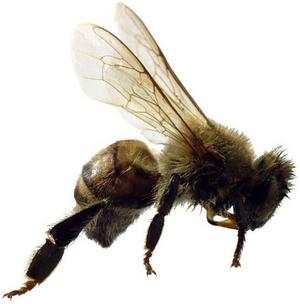 This is the Africanized honey bee, better well-known as the "Killer Bee" and it lives up to its name. They are notorious for their lightning quick aggression, they are easily agitated and will chase their victim in swarm formation for up to a quarter of a mile away from their beehive. They look very much like the European honeybees, but one cannot tell upon looking, it takes a skilled eye, so extra precaution is forewarned. They have a negative impact on our honey industry because of their aggressive nature and are responsible for the deaths of some 1,000 people. When these Killer Bees attack, the only thing advised to do is run, as fast as you can, as far as you can and to avoid hiding under water. The bees will wait above the water until the person rises for air and then attacks them, these Africanized honey bees have longer periods of agitation than other species of bees. The government also understands that these bees are essential to our ecosystem, despite the negative consequences, they cannot be completely terminated, but they can be put under control with help from the public. Once again, the public awareness plays a big role, those who spot wild swarms are advised to report it and people are educated on how to avoid conflict and interaction with these bees in order to prevent injury.
Almost every country has an invasive species of some sort, and they cannot be overlooked, as their impact on the native environment could be a destructive one, but it is important that the governments and people find a middle-ground with these invasive species, they can't just "go away", but with patience and awareness they can be kept under control humanely.


